
The revival
The revival
The plan for the revival of the settlement
Strategy
The strategy for the sustainable resettlement of the settlement is based on three main areas of development: agricultural activity, soft tourism development and artistic creation. These areas complement each other and provide the necessary complexity required for the survival and longevity of the project.
The first area of development is the strengthening of primary production, which includes agriculture and livestock. The strategy focuses on the use of Romyri’s natural resources and the exploitation of local comparative advantages, such as land and local climate, for the production and processing of quality agricultural products. This activity aims not only to ensure sustainable economic development but also to preserve traditional practices and local identity.
The second sector focuses on tourism development with an emphasis on gentle forms of tourism, which promote sustainability and respectful interaction with the natural environment and cultural heritage. Agrotourism and ecotourism are expected to strengthen economic activity, while at the same time contributing to the formation of an attractive destination for visitors.
The third sector concerns artistic development, through which the strengthening of cultural activity in the settlement is sought. Educational and artistic programs can contribute to the creation of a distinct identity for Romyri, attracting creators and artists, while at the same time offering residents opportunities for expression and development.
The basic foundation for the implementation of these goals is the creation of basic infrastructure (such as access, water and sewage networks) and the strengthening of local entrepreneurship with an emphasis on social, educational and environmental programs. Collaboration and networking of local actors will be vital for the success of the project, while the use of technology will enable interconnection and innovation, enhancing the creation of new economic opportunities and promoting social and territorial cohesion.
Finally, the development of Romyri must follow the principles of green, smart and resilient development, in order to ensure that it remains sustainable and multidimensional. This strategy will be based on modern financial tools that will act as catalysts for the successful start and long-term success of the project.
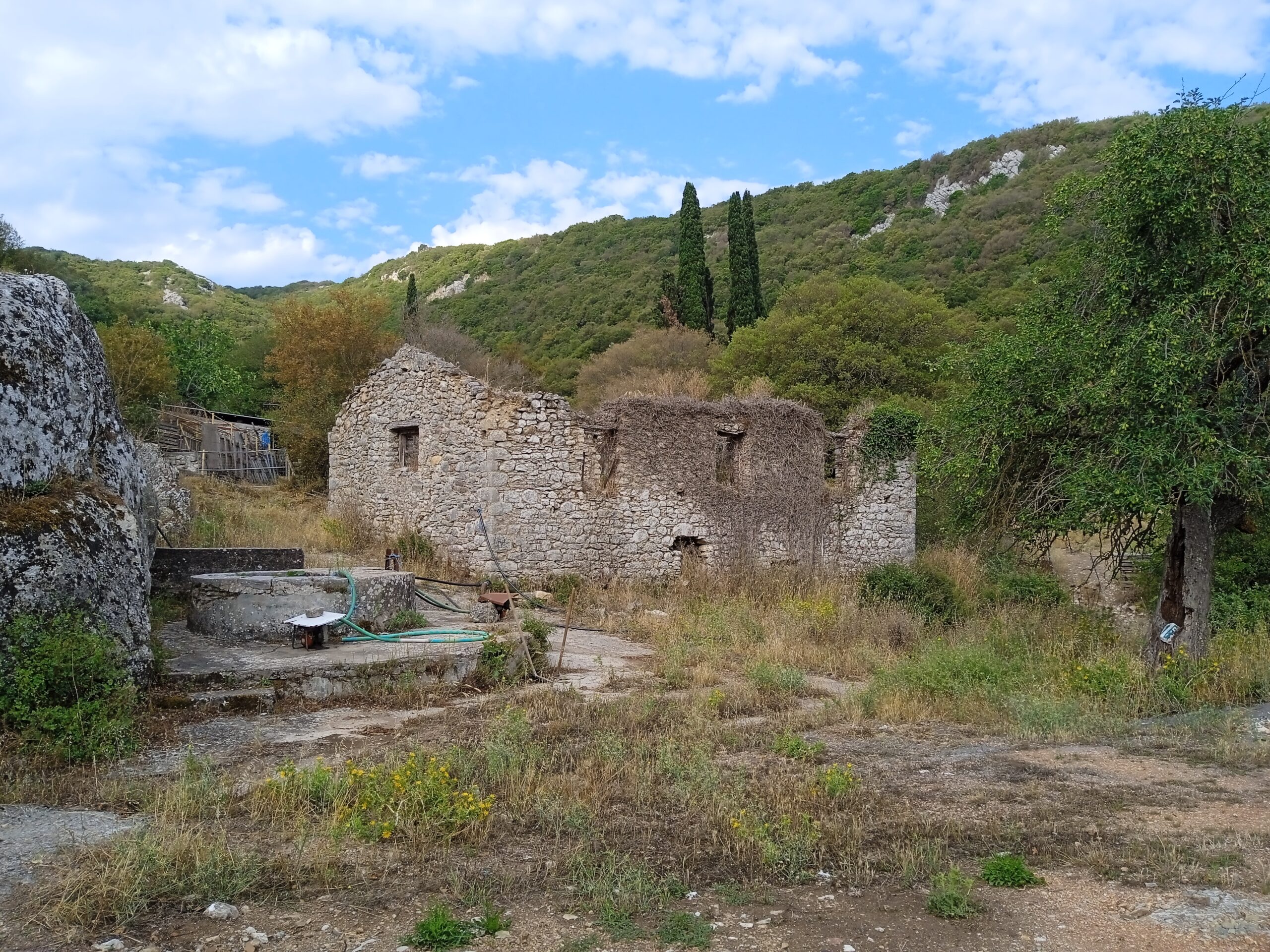
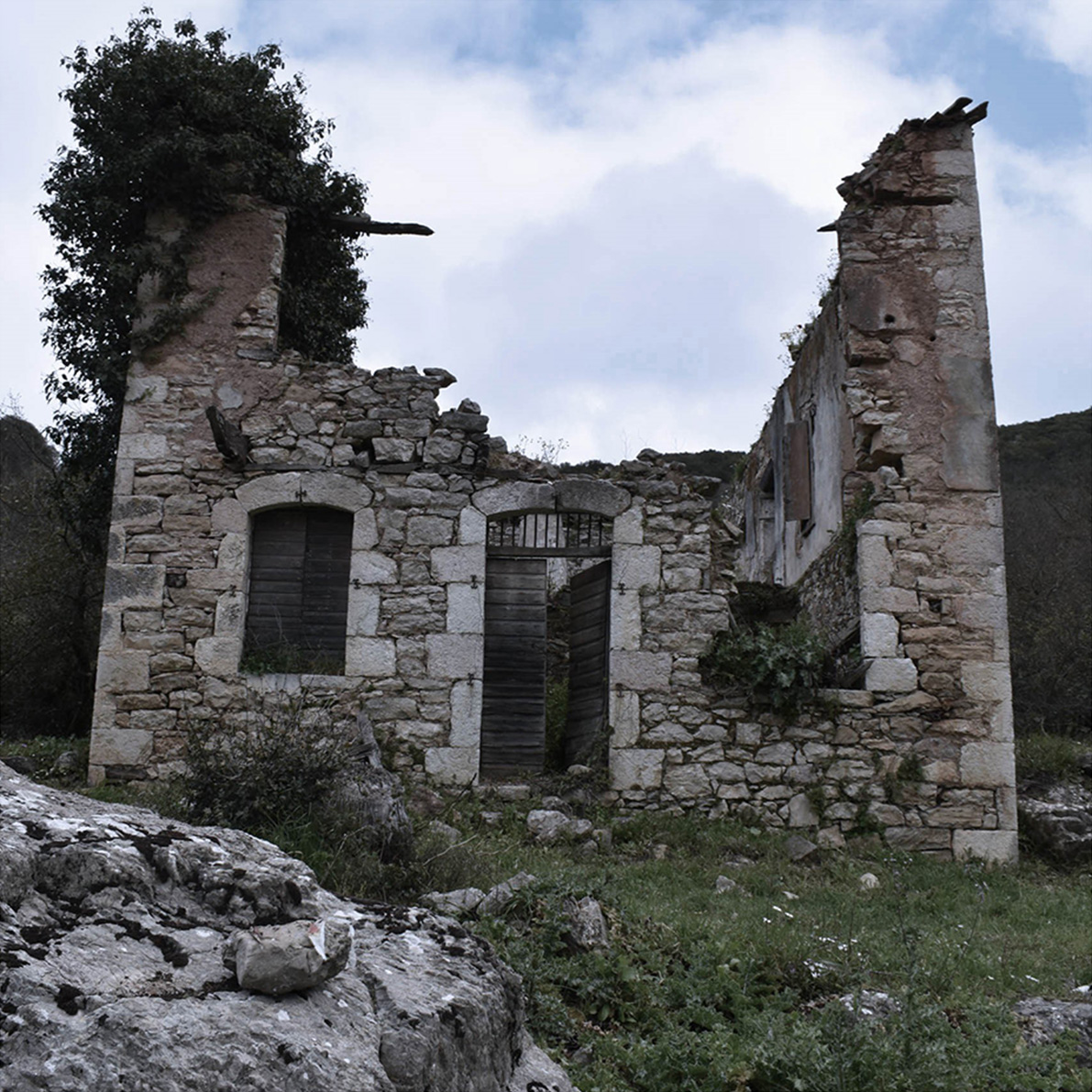
The effort to revive the settlement of Romyri constitutes an undertaking of high cultural value, as it goes beyond the sphere of architectural restoration and aims at the reintegration of the historical and cultural heritage into the modern social fabric. The preservation of the remaining buildings and the revival of collective activities make a key contribution to the reconstruction of collective memory and the preservation of traditions associated with the historical development of the settlement. The project is of particular importance, as it strengthens the cultural identity of the region, contributing to the cultivation of historical consciousness and the reconnection of new generations with their roots. Furthermore, it promotes social cohesion through collective action and strengthens the sense of belonging, highlighting the importance of cultural preservation for the long-term sustainability of communities.
Strategy
The strategy for the sustainable resettlement of the settlement is based on three main areas of development: agricultural activity, soft tourism development and artistic creation. These areas complement each other and provide the necessary complexity required for the survival and longevity of the project.
The first area of development is the strengthening of primary production, which includes agriculture and livestock. The strategy focuses on the use of Romyri’s natural resources and the exploitation of local comparative advantages, such as land and local climate, for the production and processing of quality agricultural products. This activity aims not only to ensure sustainable economic development but also to preserve traditional practices and local identity.
The second sector focuses on tourism development with an emphasis on gentle forms of tourism, which promote sustainability and respectful interaction with the natural environment and cultural heritage. Agrotourism and ecotourism are expected to strengthen economic activity, while at the same time contributing to the formation of an attractive destination for visitors.
The third sector concerns artistic development, through which the strengthening of cultural activity in the settlement is sought. Educational and artistic programs can contribute to the creation of a distinct identity for Romyri, attracting creators and artists, while at the same time offering residents opportunities for expression and development.
The basic foundation for the implementation of these goals is the creation of basic infrastructure (such as access, water and sewage networks) and the strengthening of local entrepreneurship with an emphasis on social, educational and environmental programs. Collaboration and networking of local actors will be crucial for the success of the project, while the use of technology will enable interconnection and innovation, enhancing the creation of new economic opportunities and promoting social and territorial cohesion.
Finally, the development of Romyri must follow the principles of green, smart and resilient development, in order to ensure that it remains sustainable and multidimensional. This strategy will be based on modern financial tools that will act as catalysts for the successful start and long-term success of the project.
The effort to revive the settlement of Romyri constitutes a project of high cultural value, as it goes beyond the sphere of architectural restoration and aims at the reintegration of historical and cultural heritage into the modern social fabric. The preservation of the remaining buildings and the revival of collective activities make a crucial contribution to the reconstruction of collective memory and the preservation of traditions linked to the historical development of the settlement. The project acquires particular importance, as it strengthens the cultural identity of the region, contributing to the cultivation of historical consciousness and the reconnection of the new generations with their roots. Furthermore, it promotes social cohesion through collective action and strengthens the sense of belonging, highlighting the importance of cultural preservation for the long-term sustainability of communities.
Partners
Partners
In 2018, the Cultural Association of Romyri approached the architectural firm P4architecture, which voluntarily undertook the strategic planning and architectural design of the settlement’s public buildings and infrastructure with the aim of its gradual repopulation.
Evolution and Milestones
Evolution and Milestones
- 2010 — The Cultural Association of Romyri begins the first initiatives for the promotion and protection of the settlement.
- 2018 — The architectural firm P4architecture voluntarily undertakes the architectural and strategic planning of the project.
- 2019–2021 — The first restorations of churches are carried out, with the initiative and funding of the Association. The churches are open to visitors again.
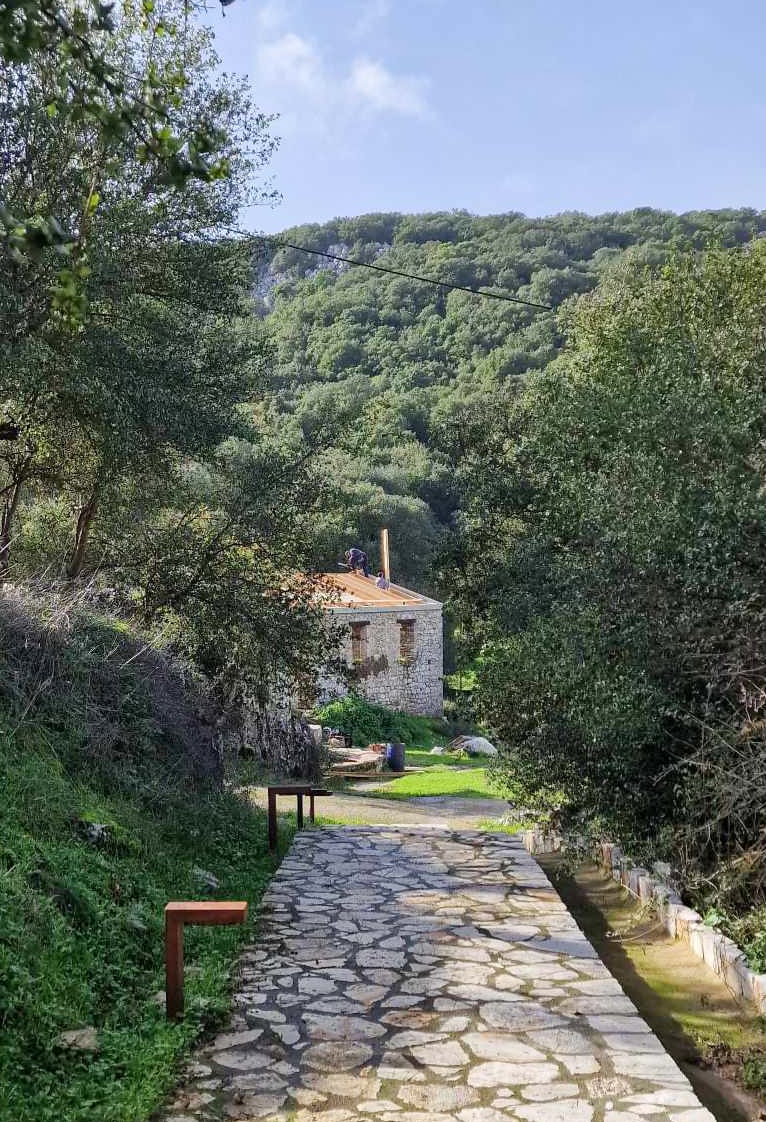
- 2022 — Start of works on the regeneration of public spaces: shaping of a square, construction of a cobblestone street and interventions in school buildings.
- 2023 — Visit of the School of Architecture of the National Technical University of Athens, as part of a research program that highlights the architectural identity of the settlement.
- 2024 — Organization of an exhibition and conference in Methoni, where the architectural studies, projects and vision for the reinstatement of Romyrio on the modern cultural map are presented.